
The Viral 10 Seconds Challenge: From Free Meals to Cognitive Training

The Viral Trend Taking Over Social Media
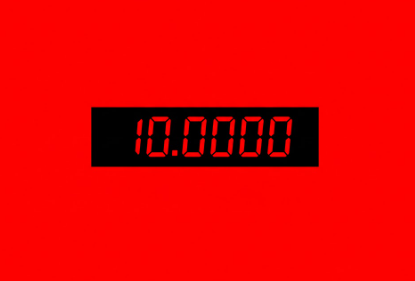
Have you seen the videos on TikTok or Douyin? A customer stands in front of a digital stopwatch counter in a restaurant. The challenge is simple: press the button to start the timer, and press it again to stop it exactly at 10.0000 seconds.
If they succeed? The entire meal is free. If they stop between 9.99 and 10.01? Maybe a 50% discount.
It sounds incredibly easy, right? 10 seconds is just... 10 seconds. But watch the videos, and you will see confident challengers failing time and time again, stopping at 10.05, 9.97, or getting completely thrown off by the pressure.
We have brought this viral challenge to AmyGame Focus so you can test your skills (and patience) without the pressure of a restaurant bill.
Click Here to Play the 10 Seconds Challenge Now
Why Is It So Hard?
The "10 Seconds Challenge" (or Stopwatch Game) is deceptive. It exposes the limitations of human perception and reaction time.
1. Reaction Latency
The average human visual reaction time is about 200-250 milliseconds (0.2s). If you see the timer hit 10.00 and then decide to press the button, you will actually stop it at 10.20s. You have already failed.
To win, you cannot react. You must anticipate. You have to send the signal to your finger before the event actually happens.
2. The Internal Clock
Without counting, our perception of time is subjective. Dopamine levels, stress, and even your heart rate can dilate or contract your sense of time. When you are nervous (like playing for a free meal), time often feels like it is moving slower, causing you to press the button too early (e.g., at 9.7s).
3. Rhythm and Flow
The key to success isn't staring at the numbers—which blur and distract your brain—but finding an internal rhythm. Musicians often excel at this game because they feel the "beat" of the second.
Tips to Master the Challenge
If you want to beat your friends (or win a free dinner next time you see this machine):
- Don't watch the milliseconds: The rapidly changing numbers (0.01, 0.02...) are visual noise. They overload your processing speed.
- Close your eyes: Seriously. Rely on your internal counting. One-Mississippi, Two-Mississippi...
- Anticipate the device: Every button has a "travel time" and input lag. You need to press typically around 9.85s or 9.90s depending on your own latency to land on 10.00.
- Relax: Tension creates muscle stiffness, which delays your finger movement.
Is It Good for Your Brain?
Yes! While it's a fun party trick, it essentially trains Time Perception and Sustained Attention. You must block out distractions and focus entirely on a single moment in the future. This "momentary focus" is a great way to reset your brain during a busy day.
Ready to try?